The Southern Appalachians have long been a region of tremendous wildlife diversity. Its among the best places to work as a wildlife biologist. We have more kinds of salamanders than pretty much anywhere in world and plant diversity is unrivaled in the U.S.
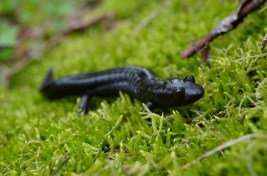
- Seal Salamander (Desmognathus monticola), Big Yellow Mountain. Evan Raskin
Most folks do not even realize that we have not one, but dozens of different forest and non-forest habitat types. Our natural communities range from our high-elevation spruce fir and the south-facing dry oak and pine forest to cool, moist cove forests, Southern Appalachian bogs and oak woodlands. Each habitat type in each location contains a slightly different plant and animal community.
Unfortunately, many Appalachian wildlife are declining while the cause can certainly be attributed to urban sprawl, the vast amount of our rural lands’ wildlife value is declining. While aesthetically pleasing, manicured parks, dark forests-rhododendron, agriculture fields, and intensively grazed pasture are not suitable for most wildlife.
I assure you that if your property looks like this, it is not benefiting many wildlife species, including pollinators, and likely will burn very hot and kill mature trees when wildfire occurs.
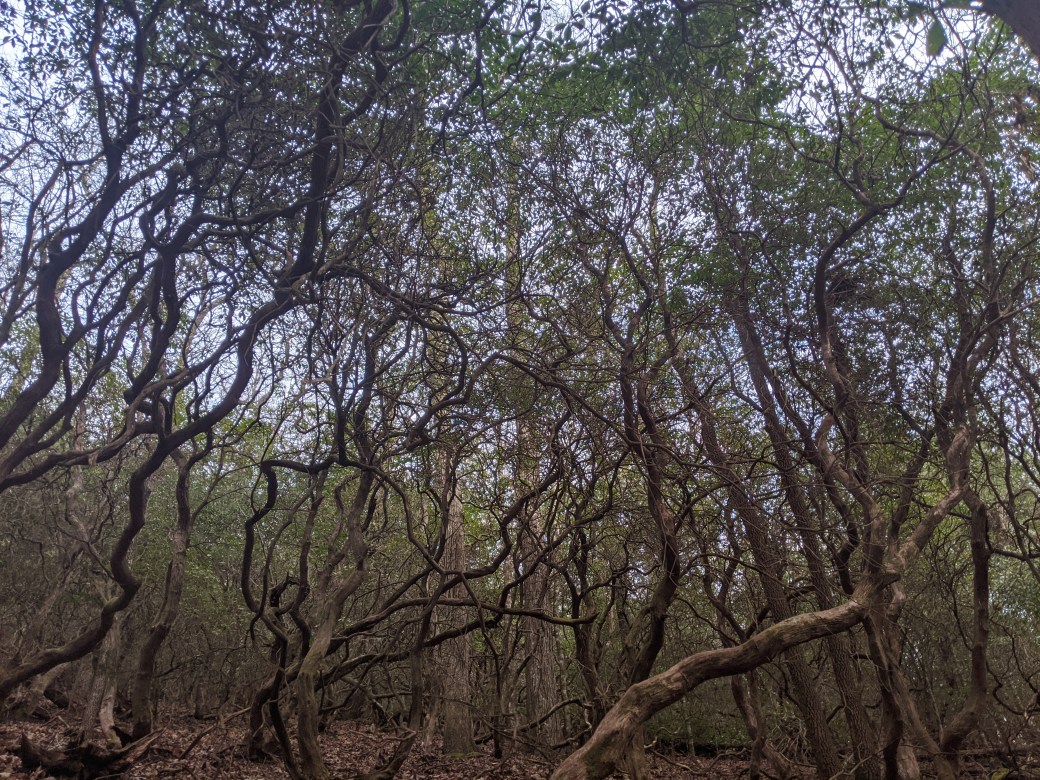
In 1886, Brewer described the northern bobwhite as”abundant everywhere.” Today, you’ll find very few sites that provide suitable cover and food in the current western North Carolina landscape. The same can be said for bees, butterflies, grouse and most songbirds. If it doesn’t look like this, then it’s probably not benefiting such species they will not visit.
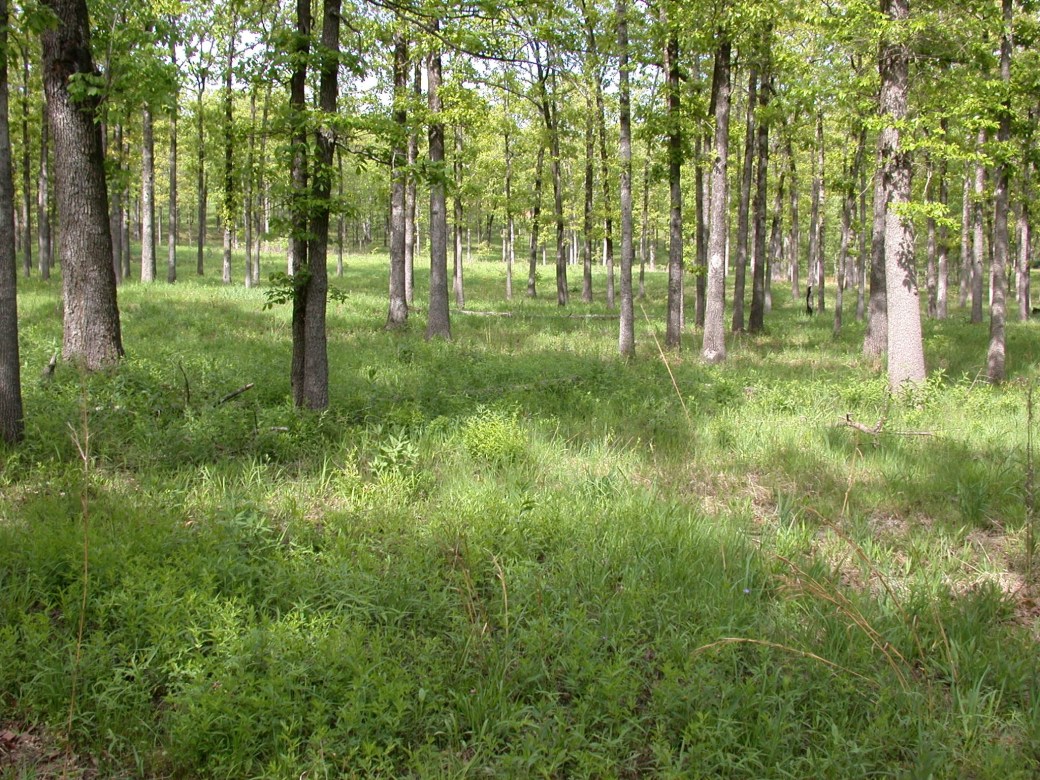

I have over 15 years of experience as a wildlife biologist and fire manager to draw upon to take areas that are devoid of native wildlife, and restore them. You will not find many others in western North Carolina that have the combination of fire, forest management and wildlife biology experience that I have, and definitely not the passion.
I can use my experience to help private landowners improve habitat for wildlife.
FIRE
Fire is one of the five disturbances that shape the Southern Appalacians (flooding, landslides, ice storms, wind events) The southern United States has evolved over the past million years with fire as one of the most imporant influences on habitats. The dissappearance of the Americsan Chestnut and the supression of fire, have dramtically alerringg habitats.

This is what I have done for the Florida Fish and Wildlife Conservation Commission and what I now do for The Nature Conservancy in western North Carolina. or show you how to do it.
 Warwick Woodland conservation